Blog

Where LLMs Are Heading in 2026: Inference, Agents, and the Market Shift — and Why DeGPT Is Built for It

Where LLMs Are Heading in 2026: Inference, Agents, and the Market Shift — and Why DeGPT Is Built for It

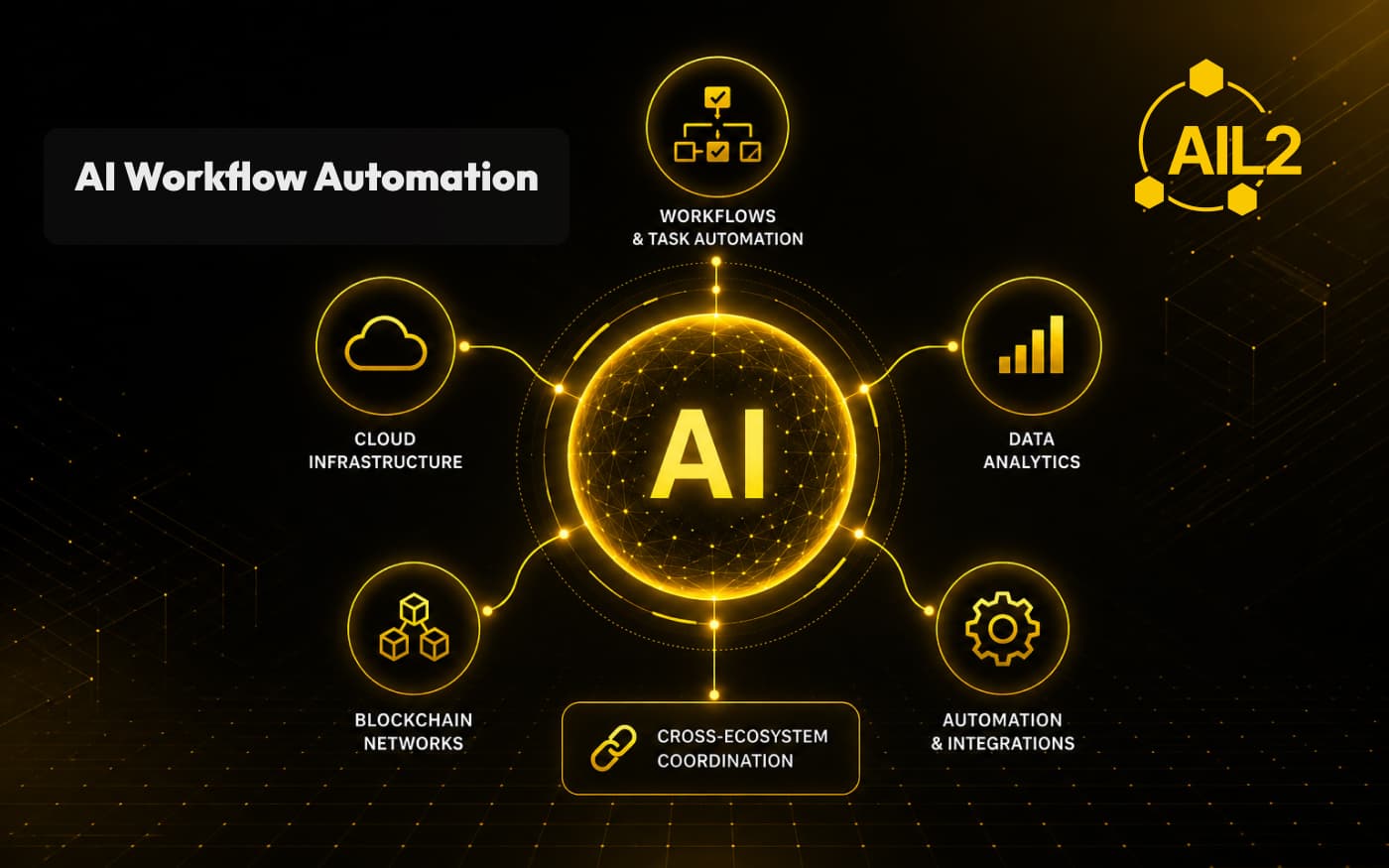
The AI Market Is Growing — and LLMs Are a Big Driver DeGPT News JANUARY 26, 2026 DecentralGPT illustration showing large language model market trends and AI inference infrastructure in 2026. AI is no longer “experimental.” It’s becoming part of how companies work every day. Stanford’s AI Index 2025 reported that 78% of organizations used AI in 2024, up from 55% the year before, and that generative AI attracted $33.9B in private investment globally. MARKET VALUATION 2026 The Large Language Model market at roughly $7–8B in 2025, growing rapidly through the decade (Grand View CAGR projections). The broader Generative AI market projected to expand sharply through the 2030s—direction is consistent: fast growth. The takeaway is simple: LLMs are moving from “cool demos” to “daily infrastructure,” and the money is following. 4 Clear Directions for 2026 1. The shift from training to inference Inference is where usage happens. Industry coverage around CES 2026 highlights this pivot as enterprises move to deployment. Users care about speed, cost, and reliability. 2. Multi-model is the normal workflow Teams use different models for different jobs (writing, coding, reasoning). People are tired of paying for multiple tools—multi-model platforms are winning by simplifying these workflows. 3. AI agents pushing “always-on” demand Agentic AI creates more tokens and background work. McKinsey’s 2025 State of AI notes this proliferation even amidst scaling challenges. 4. Trust and verification in the stack “Just trust the output” isn’t enough for finance or governance. Verifiable AI is now a critical Web3-AI direction for auditable workflows. Where DecentralGPT & DeGPT Fit DecentralGPT is a decentralized and distributed AI inference computing network. Our positioning matches the 2026 reality: Inference is the product. DeGPT Product Layer: Access multiple models in one place for the perfect task fit. Resilient Infrastructure: Decentralized inference makes AI access scalable and…

READ ARTICLE
AI Inference Is Hitting a Compute Wall — Why DecentralGPT’s Decentralized GPU Network Matters in 2026
2026/01/20

AI Inference Is Hitting a Compute Wall — Why DecentralGPT’s Decentralized GPU Network Matters in 2026

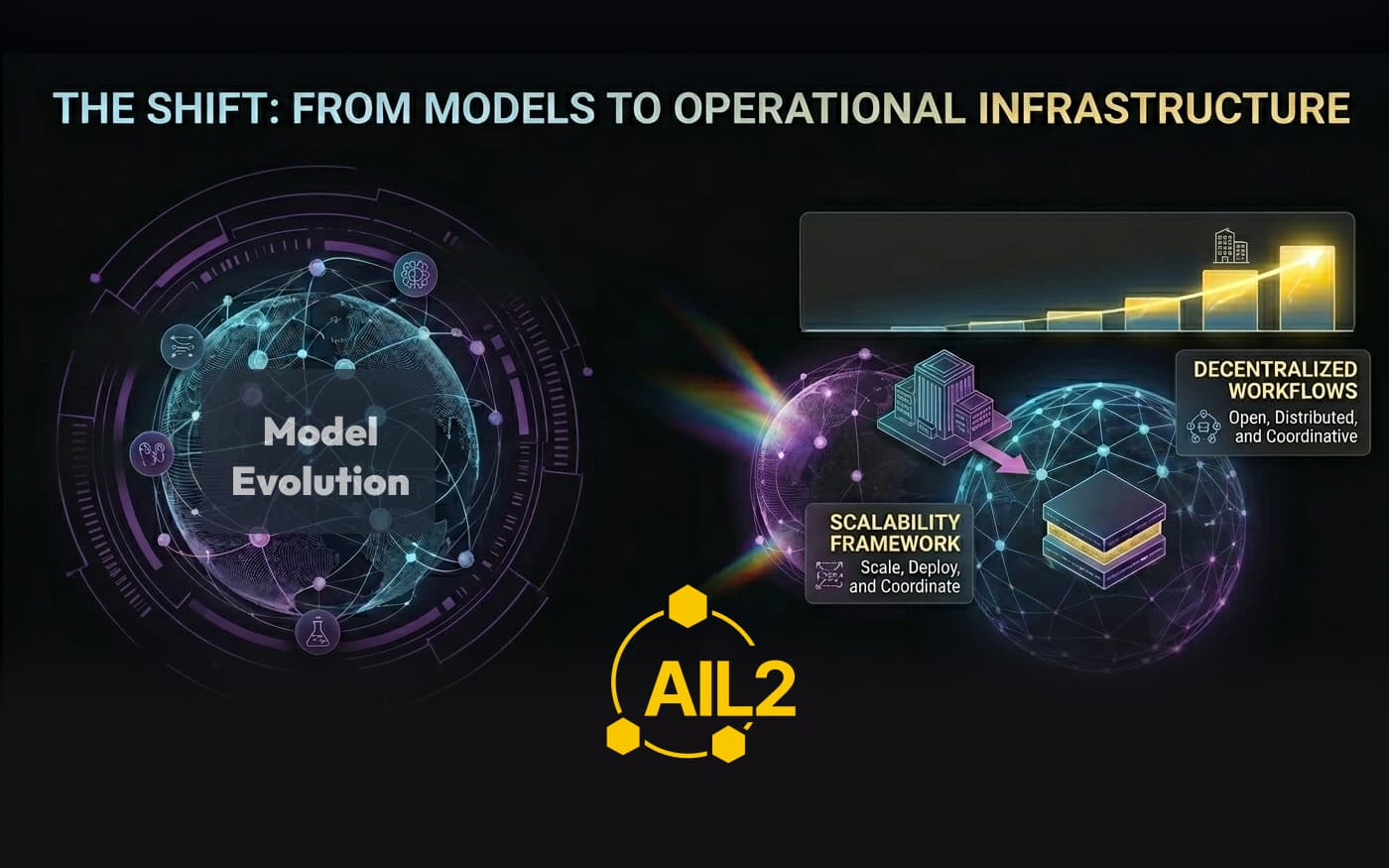
The 2026 Reality: Inference Is Growing Faster Than GPU Supply Industry Analysis 2026/01/20 DecentralGPT decentralized AI inference network illustration showing distributed GPU computing infrastructure The New Headline: Compute as a Bottleneck   In 2026, the biggest AI challenge isn’t “Can we train better models?” It’s “Can we run them for everyone, all day, at a cost that makes sense?” This month, the Financial Times reported OpenAI signed a $10B multi-year deal with Cerebras to secure massive compute capacity through 2028. When the biggest AI labs are locking in compute at that scale, it’s a clear signal: inference is the bottleneck. Two Trends Emerging Simultaneously   1) Hardware Racing to Cut Costs NVIDIA’s Rubin platform highlights major reductions in inference token cost, supporting agentic AI workloads more efficiently. The industry is optimizing for “more tokens, lower cost.” 2) Decentralized Networks Focusing on Efficiency Decentralized networks like Gonka are evolving to improve stability and GPU utilization. This aligns with the broader AI goal: maximize useful compute, minimize waste. Where DecentralGPT Fits   DecentralGPT is a decentralized and distributed AI inference computing network designed for a privacy-protective, transparent, and globally accessible AI future. While centralized companies lock in chips, decentralized inference networks unlock a different path: • Unlocking distributed GPU resources from across the globe. • Improving utilization and stability for reliable inference. • Providing a practical product layer for multi-model access. Try it here: https://www.degpt.ai/ What This Means for Everyday Users   If you are a regular user, compute shortages often show up as slower responses during peak times, higher costs, or regional restrictions. A decentralized approach is the practical answer: more supply sources, more resilience, and more flexibility. Summary   The headlines are consistent: Big AI labs are buying long-term capacity, and hardware is pivoting toward inference. DecentralGPT is built for…

READ ARTICLE
GPU Demand Is Reshaping AI in 2026 — Why DecentralGPT’s Decentralized Inference Network Matters More Than Ever
JANUARY 13, 2026

GPU Demand Is Reshaping AI in 2026 — Why DecentralGPT’s Decentralized Inference Network Matters More Than Ever

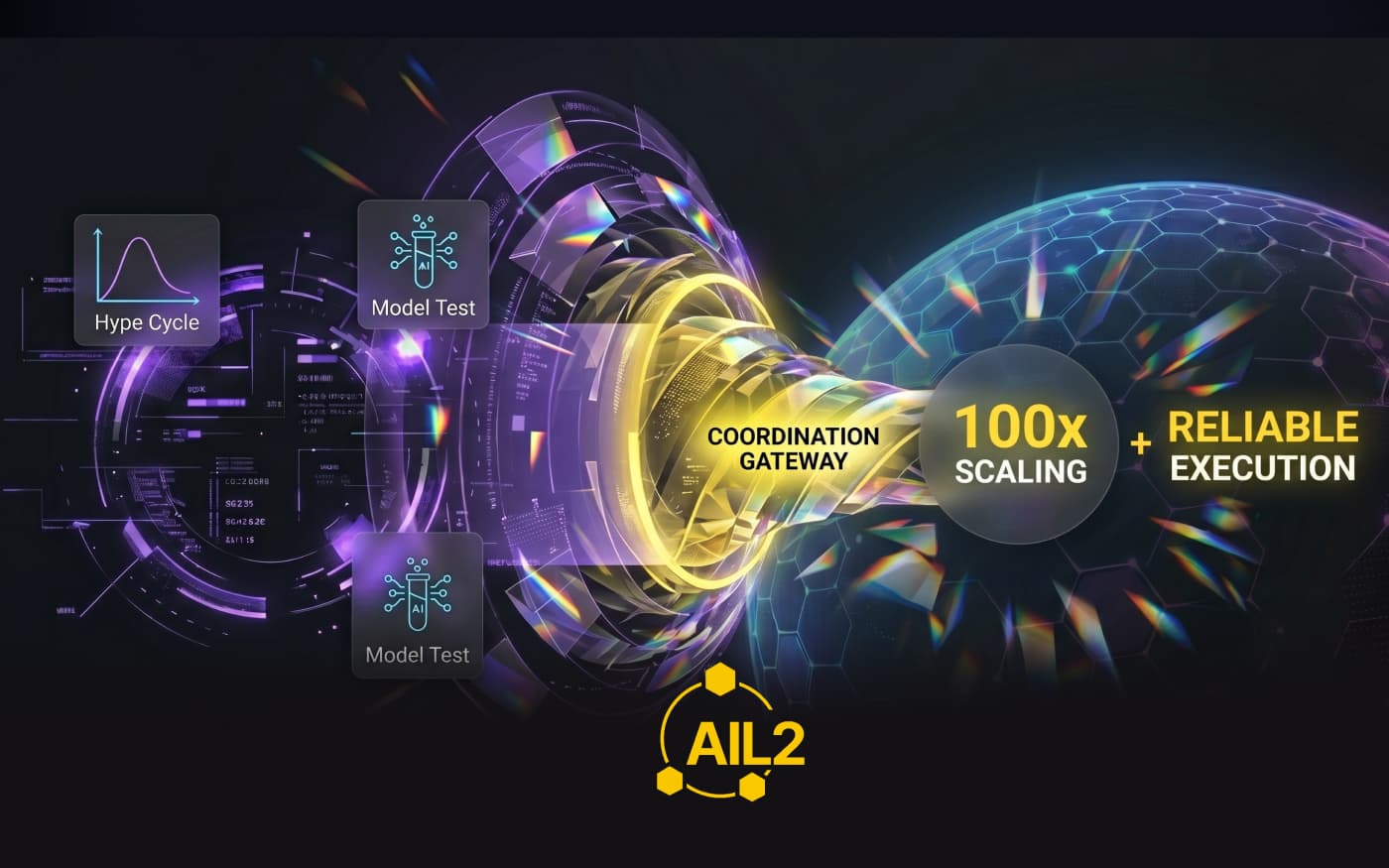
Why This Is a Big 2026 Signal: GPUs Are Becoming the Bottleneck MARKET ANALYSIS JANUARY 13, 2026 DecentralGPT decentralized AI inference network illustration showing distributed GPU computing infrastructure. If 2024–2025 was about model breakthroughs, 2026 is about compute reality—especially GPUs. In early January, reports highlighted rising pressure in the AI hardware supply chain, with demand for high-end accelerators outpacing supply and forcing the market to react in real-time. This isn’t a niche industry problem anymore. It affects everyone building or using AI products: pricing, availability, latency, and the ability to scale. Two Headlines That Show Where the Market Is Going 1) Next-gen AI compute is moving to “trusted, rack-scale platforms” At CES 2026, NVIDIA announced its Vera Rubin AI computing platform and described it as a rack-scale trusted computing approach (CPU + GPU + networking components designed as one system), pointing to the next wave of AI infrastructure. The takeaway is simple: AI is becoming infrastructure, and the stack is being optimized for massive inference workloads. 2) GPU supply constraints are changing how chips are sold Reuters reported NVIDIA began requiring full upfront payment for H200 chips from Chinese buyers amid regulatory uncertainty—another sign that demand, supply constraints, and policy risk are colliding in the GPU market. When supply is tight, access becomes uneven—and that creates a huge opportunity for alternative compute networks. What This Means for Web3 AI and Decentralized Inference When GPUs are scarce, centralized infrastructure becomes a single point of pressure. This is exactly why “decentralized inference” is getting more attention: it’s a way to tap distributed compute instead of relying on one vendor, one region, or one cloud. That’s where DecentralGPT fits. DecentralGPT is a decentralized and distributed AI inference computing network, supporting a variety of open-source large language models, with a mission focused on privacy,…

READ ARTICLE
AI News on January 09th

AI News on January 09th

AI News on January 09th AI News 2026/01/09 09:16:29 NVIDIA's Vera Rubin AI Platform Advances Production, Lowers Inference Cost #NVIDIA #VeraRubin #AIInfrastructure #CES2026 NVIDIA announced that its next-generation Vera Rubin AI computing platform has entered production. The platform is designed for complex agent-style workloads and is reported to significantly improve inference speed and reduce operational costs for running AI models. OpenAI Launches Dual AI Products for Consumer and Professional Healthcare #OpenAI #Healthcare #ChatGPT #MedicalAI OpenAI introduced two new AI products for the health sector. "ChatGPT Health" is for general users to discuss health topics, while "OpenAI for Healthcare" is a professional suite for medical institutions to assist with tasks like generating patient summaries and analyzing clinical data. Arm Establishes "Physical AI" Division to Accelerate Robotics Development #Arm #PhysicalAI #Robotics #CES2026 Arm Holdings announced the creation of a new "Physical AI" division, merging its automotive and robotics units. The move aims to focus on the long-term growth potential of robotics, with the belief that AI integrated into physical systems can significantly improve labor efficiency. Boston Dynamics Integrates Google's Gemini AI into Atlas Humanoid Robot #BostonDynamics #Google #Gemini #Robotics Boston Dynamics, in collaboration with Google DeepMind, is integrating the Gemini AI model into its Atlas humanoid robot. This upgrade aims to enable the robot to understand natural language commands and adapt in real-time to perform practical tasks in real-world environments. "Physical AI" Emerges as Core Theme at CES 2026 #PhysicalAI #CES2026 #Trend #Industry A major theme at CES 2026 is "Physical AI," representing the industry's shift toward embedding AI into systems that can perceive, understand, and act in the physical world, as seen in smart home robots, industrial automation, and autonomous vehicles. Uber Unveils Production-Intent Robotaxi Design in Partnership with Lucid and Nuro #Uber #Robotaxi #AutonomousVehicles #CES2026 Uber revealed the design for…

READ ARTICLE
The Global AI Access Gap: Why DecentralGPT Brings Multi-Model LLMs to More Users Worldwide
2026/01/08

The Global AI Access Gap: Why DecentralGPT Brings Multi-Model LLMs to More Users Worldwide

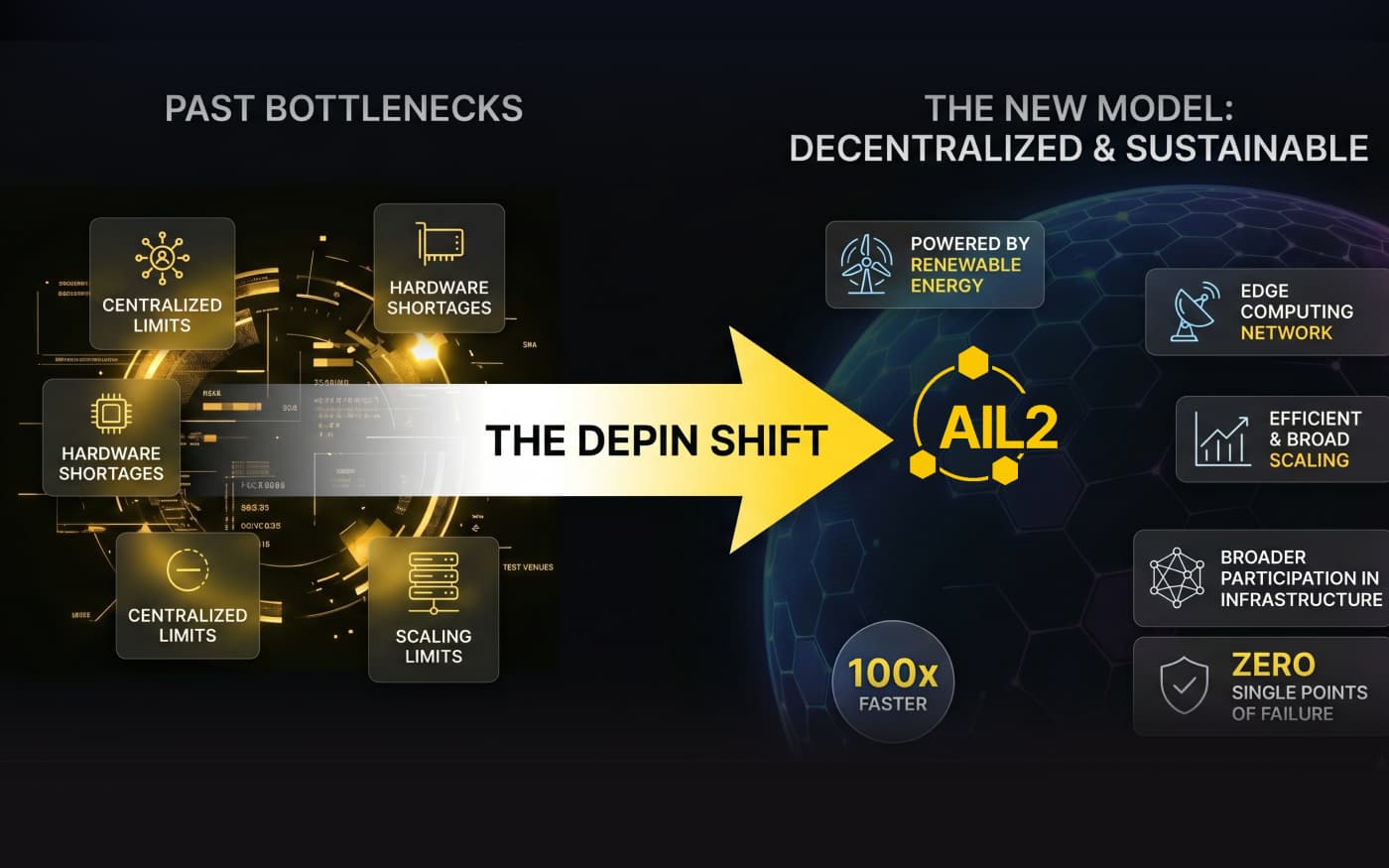
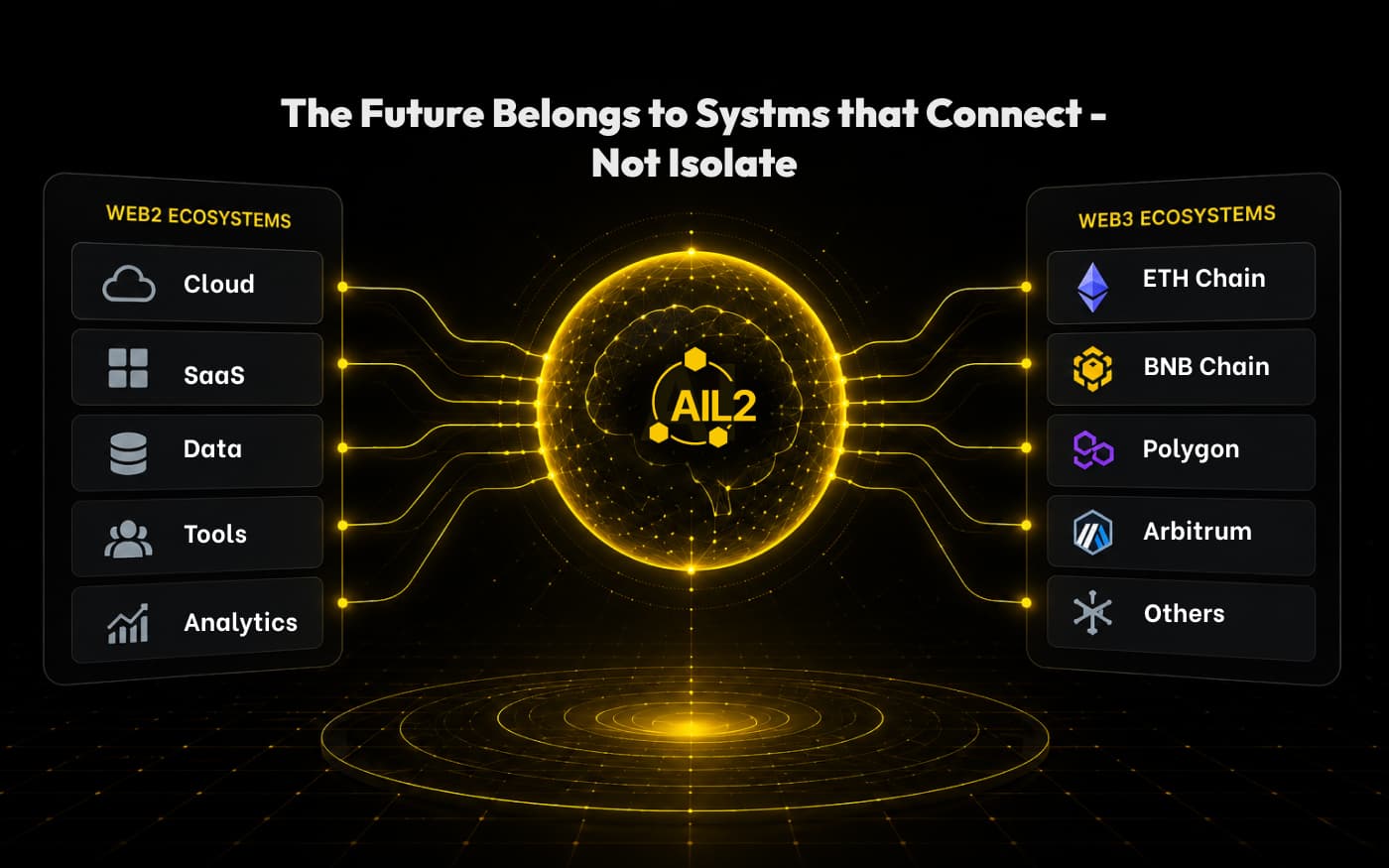
Many users can’t reliably access leading AI tools due to regional availability and policy limits. DecentralGPT is built as a decentralized AI inference computing network with multi-model access, aiming to make powerful LLMs more broadly accessible for global users across Web2 and Web3.

READ ARTICLE
AI News on January 07th

AI News on January 07th

AI News on January 07th AI News 2026/01/07 09:29:06 1. AMD Unveils Next-Gen MI455 GPU, Promising 1000x AI Performance Boost in 4 Years #AMD #Semiconductor #GPU #AIHardware At CES 2026, AMD CEO Lisa Su introduced the next-generation AI chip, the MI455 GPU. This new chip utilizes 2nm and 3nm process technology, advanced packaging, and is equipped with HBM4 memory. AMD aims to deliver a 1000x improvement in AI chip performance within the next four years. 2. NVIDIA and Boston Dynamics Showcase New Advancements in Robotics AI #NVIDIA #BostonDynamics #Robotics #PhysicalAI At CES, NVIDIA announced a partnership with Boston Dynamics and Google DeepMind to integrate Gemini Robotics AI foundational models with Boston Dynamics' next-generation Atlas humanoid robot. In a separate move, Hyundai Motor Group and Boston Dynamics demonstrated Atlas and announced plans to deploy humanoid robots in their U.S. electric vehicle factories by 2028. 3. Wall Street Rallies on AI Optimism as Dow Hits Record High #WallStreet #StockMarket #Investment #AIBubble Fueled by AI optimism from major tech events, Wall Street closed higher, with the Dow Jones Industrial Average reaching a new all-time high. Semiconductor and chip-related stocks, including memory companies like Micron and Seagate, led the gains. However, concerns about a potential AI bubble persist, with some major investors warning of an early-stage bubble. 4. Musk's xAI Faces Scrutiny Over AI-Generated Content and Raises $20 Billion #xAI #Musk #Funding #AIRegulation Elon Musk's AI startup, xAI, has secured $20 billion in new funding, with backers including NVIDIA and Qatar. Meanwhile, xAI's Grok chatbot is facing criticism and regulatory pressure from the UK government after being used to generate illegal content, including explicit images. xAI has pledged to take action against misuse of its platform. 5. EU to Announce "Applied AI" Strategy to Reduce Foreign Tech Dependence #EU #DigitalSovereignty #Policy #Strategy The European…

READ ARTICLE