5 Key Trends Driving the Decentralized AI Infrastructure Revolution in 2026
Artificial intelligence is entering a new phase inside the blockchain ecosystem. What started as experimental AI tools is now evolving into full infrastructure designed to support decentralized intelligence networks.
Across Web3, developers are building systems where AI agents, distributed computing resources, and modular blockchain architectures work together.
Here are five major trends shaping decentralized AI infrastructure in 2026.
1. AI Agents Becoming Core Infrastructure
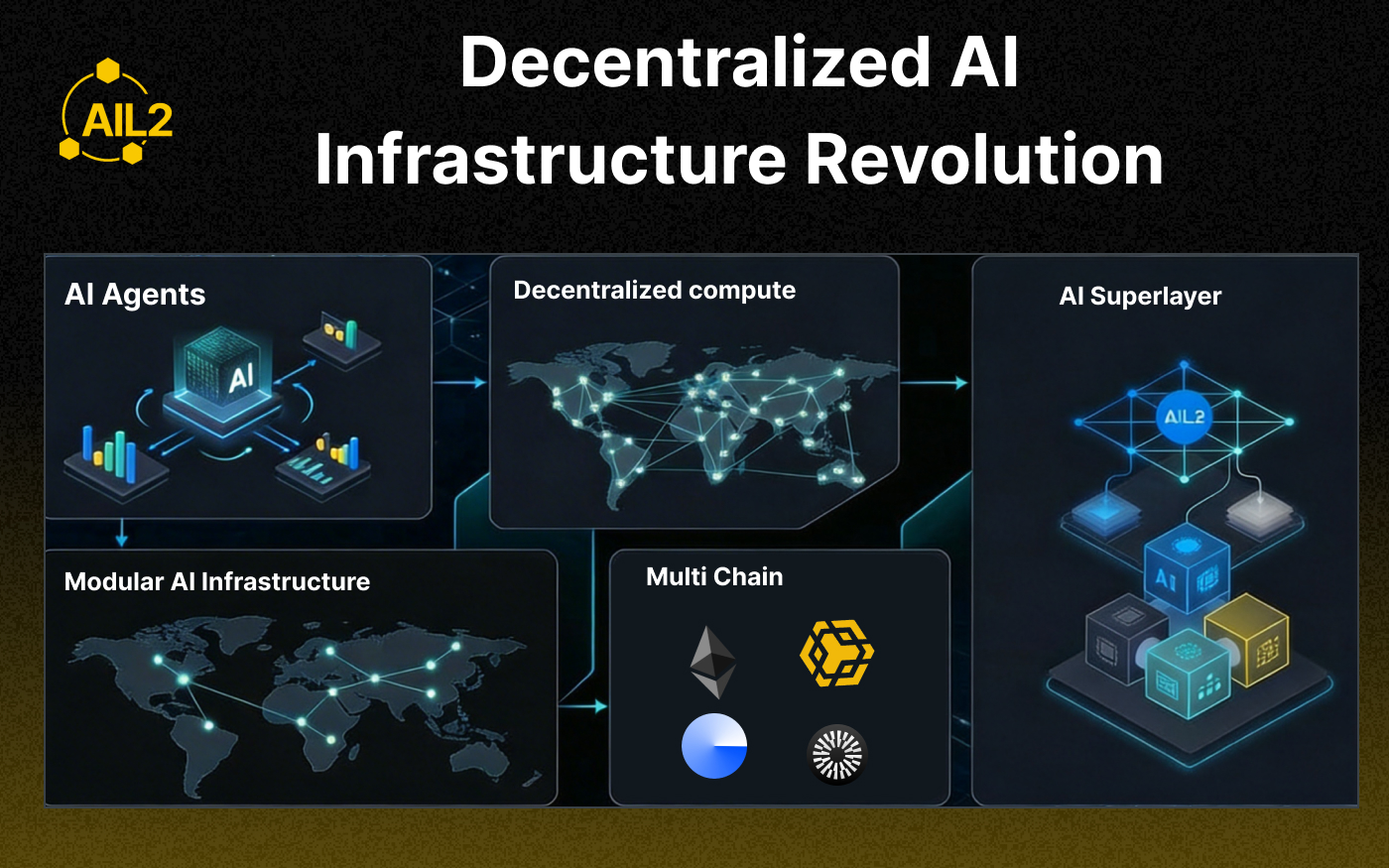
AI agents are no longer just experimental bots. They are becoming autonomous systems capable of managing assets, executing strategies, and interacting with on-chain applications.
From trading automation to data analysis and governance support, AI agents are gradually becoming a foundational layer in Web3 ecosystems.
As adoption grows, infrastructure capable of supporting AI agents at scale becomes essential.
2. Multi-Chain AI Ecosystems
The blockchain industry is no longer dominated by a single network. Ethereum, BNB Chain, and other ecosystems continue to expand simultaneously.
AI systems must be able to operate across these environments rather than remaining locked within a single chain.
This shift toward multi-chain AI infrastructure allows agents and decentralized applications to access broader data sources and larger networks.
3. Decentralized Computing Through DePIN
AI computation requires massive resources. Traditionally, this has been controlled by centralized cloud providers.
The rise of DePIN (Decentralized Physical Infrastructure Networks) is changing this model by allowing distributed GPU providers to participate in decentralized computing networks.
This makes AI computation more open, scalable, and censorship-resistant.
4. Modular AI Infrastructure
Modular blockchain architecture has already transformed scalability and interoperability. The same concept is now being applied to AI infrastructure.
Instead of building monolithic systems, developers are designing modular networks where AI services, compute resources, and coordination layers operate independently but work together seamlessly.
5. The Emergence of AI Superlayers
As AI tools expand across chains, the need for coordination layers becomes clear.
AI Superlayers act as infrastructure that connects decentralized intelligence systems across multiple ecosystems without replacing the underlying chains.
Projects like AIL2 focus on building this coordination layer, enabling AI infrastructure to scale across Ethereum, BNB Chain and other networks.
The decentralized AI infrastructure landscape is still evolving, but these trends indicate where the industry is heading.
As Web3 continues integrating artificial intelligence, the platforms that successfully coordinate AI agents, computing resources, and blockchain ecosystems will define the next phase of decentralized technology.
AIL2 is building the foundation for that future.
Discover how AIL2 is building the decentralized AI Superlayer for multi-chain ecosystems.
Learn more:
https://ail2.org/en
#DecentralizedAI #Web3AI #AIInfrastructure